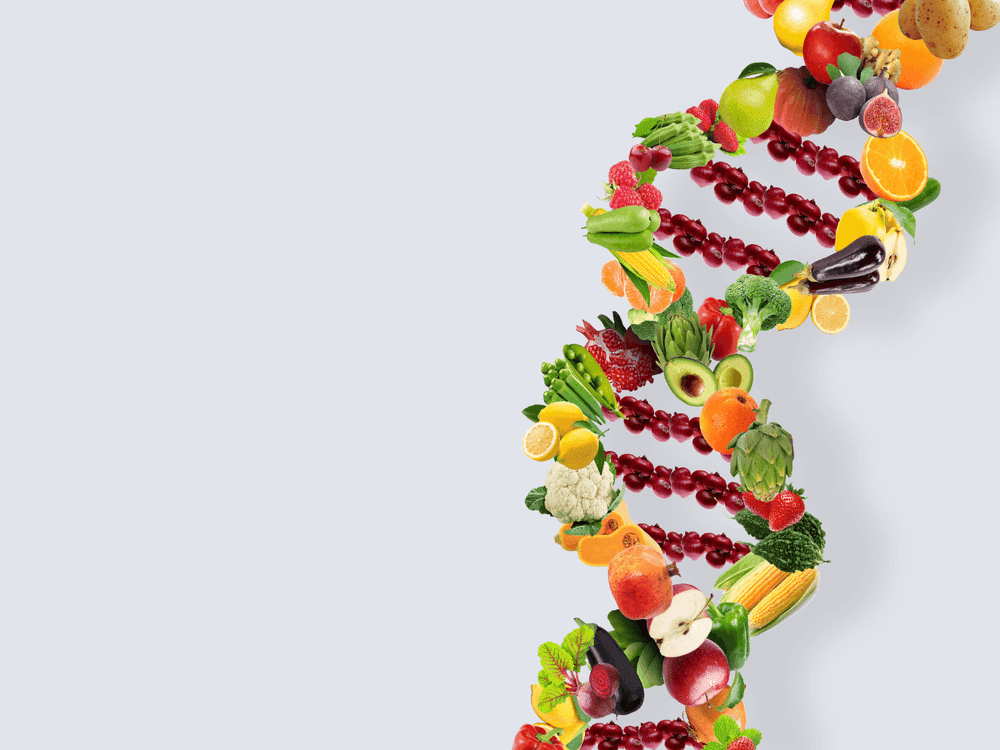
Acid-base balance is increasingly cited as a fundamental factor in our health. Based on the principle of homeostasis, acid-base balance is naturally maintained by our body, which is capable of implementing various regulatory mechanisms. However, this balance is fragile, and our dietary habits promote an imbalance, leading to overall acidification of our body and the development of related ailments.
In this article, we explore what lies behind acid-base balance, the causes and consequences of acidification of our body, as well as solutions to restore it, particularly through natural active ingredients.
What is the acid-base balance of the body?
The concept of pH
pH (potential of hydrogen) is a chemical value used to quantify the acidity of a fluid. pH ranges from 0 (very acidic) to 14 (very basic or alkaline), with 7 being neutral: below 7, the medium is considered acidic, and above 7, it is considered basic.
It is possible to change the pH of a solution by adding acidifying or alkalizing agents. From a chemical point of view, pH changes are induced by electron transfers between the elements in a medium.
The body's pH and its acid-base balance
Acid-base balance is vital for our body. Blood is the primary regulator of this balance, with a value that must remain strictly between 7.38 and 7.42. To maintain its blood pH, our body has several mechanisms involving the exchange of electrons within its various environments.
The main challenge for our body is to reduce its acidity, which is increased by our lifestyles and diet. To achieve this, various elements in our body come into play, such as hemoglobin, phosphate ions present in our body, and bicarbonates.
Some of our organs are also involved, such as our lungs and kidneys. Our lungs promote the elimination of so-called "volatile" acids through our respiration, while our kidneys process non-volatile acids via bicarbonates, and by releasing ammonia in our urine.
Excess acidity: the main culprit is diet
The Western diet is proving to be too acidic for our bodies. Scientific studies have shown that a diet rich in salt and salty foods like cheese and cured meats, as well as processed foods, leads to excessive acidity. The culprit is sodium chloride, widely identified as an acidifying agent for our bodies. Other foods such as sodas, coffee (in large quantities), and animal proteins also contribute to excess acidity.
Added to this context is also the impoverishment of our diet in fruits and vegetables, which naturally possess alkalizing properties, over the decades.
Symptoms and risks of excess acidity
Excessive acidity forces our body to draw on various reserves of alkalizing compounds (calcium, magnesium, potassium) necessary to restore balance, leading, in the long run, to various risks:
- By depleting our bone reserves of alkalizing calcium and magnesium, acidity promotes bone demineralization, which weakens our skeleton and leads to osteoporosis.
Potassium salts also help our body restore its acid-base balance. Potassium mobilization promotes urinary potassium loss, as well as the formation of kidney stones and renal dysfunction. Furthermore, an overly acidic body contributes to the development of various conditions such as diabetes, cardiovascular disease, and obesity.
How to restore acid-base balance?
Overall, our diet is one of the main ways we can enable the body to maintain its acid-base balance.
An alkalizing diet
To maintain a balanced pH (as neutral as possible), it is therefore necessary to ensure that you consume acidifying and alkalizing foods in the right proportions.
The acidic or alkaline properties of foods are defined using a specific index, the PRAL (Potential Renal Acid Load) index. Foods with a negative PRAL index are said to be alkalizing, while those with a positive index are acidifying. The higher the absolute value of the index, the greater the acidifying or alkalizing property of the food.
Note that the concepts of acidic, or acidifying, and alkaline, or alkalizing, foods have no relation to the acidic taste of foods. For example, lemons, despite their pronounced acidic taste, are one of the most alkaline foods.
Here is a list of the main acidifying and alkalizing foods:
- Acidifying foods: table salt, meats, eggs, fish, shellfish, cheeses, cured meats, dairy products, refined cereals (pasta, white rice, white bread), sodas, alcohols, coffee, pizzas, crisps, refined white sugar, honey...
- Basic (or alkalizing) foods: fruits, vegetables, oilseeds (nuts, almonds...), seaweed, green tea, spices, herbs, garlic, onion, cocoa, whole cane sugar, olive oil...
Green vegetables are a major source of natural alkalizing compounds. When preparing them, it is recommended to choose seasonal vegetables and consume them raw, juiced, or cook them using gentle methods.
As for fruit, all varieties can be eaten fresh, but dried is also an option (though less so due to their high sugar content). Grapefruit and lemon are the most alkalizing, despite their acidity. It's best to eat fruit between meals.
Drinking water is also important. Aim for at least 1.5L of water per day, choosing water rich in bicarbonates and low in sodium.
Restore acid-base balance with natural alkalizing agents
Dietary supplements can provide complementary natural solutions to support the rebalancing of the diet.
Magnesium and calcium supplements (however, be careful of hypercalcemia in case of excess calcium – it is best to consult a doctor) help to compensate for urinary losses induced by the mechanisms naturally used by the body to regulate excess acidity.
On the other hand, intake of alkalizing compounds such as citrates and potassium bicarbonate constitutes other sources of natural alkaline actives.
A healthier lifestyle
Physical activity is another way to eliminate acidic compounds from our bodies, particularly through the respiratory function of our lungs. Walking and moving around outdoors every day promotes lung activity.
Sleep quality, as well as good stress management, also contribute to maintaining acid-base balance.
The acidification of our body can particularly affect the gut, leading to a corresponding imbalance in the gut flora. Supporting the balance of the gut microbiota, especially through probiotic treatments, in addition to addressing acid-base balance, can be necessary and contribute to overall health. To learn more about probiotic treatments , see our dedicated article.