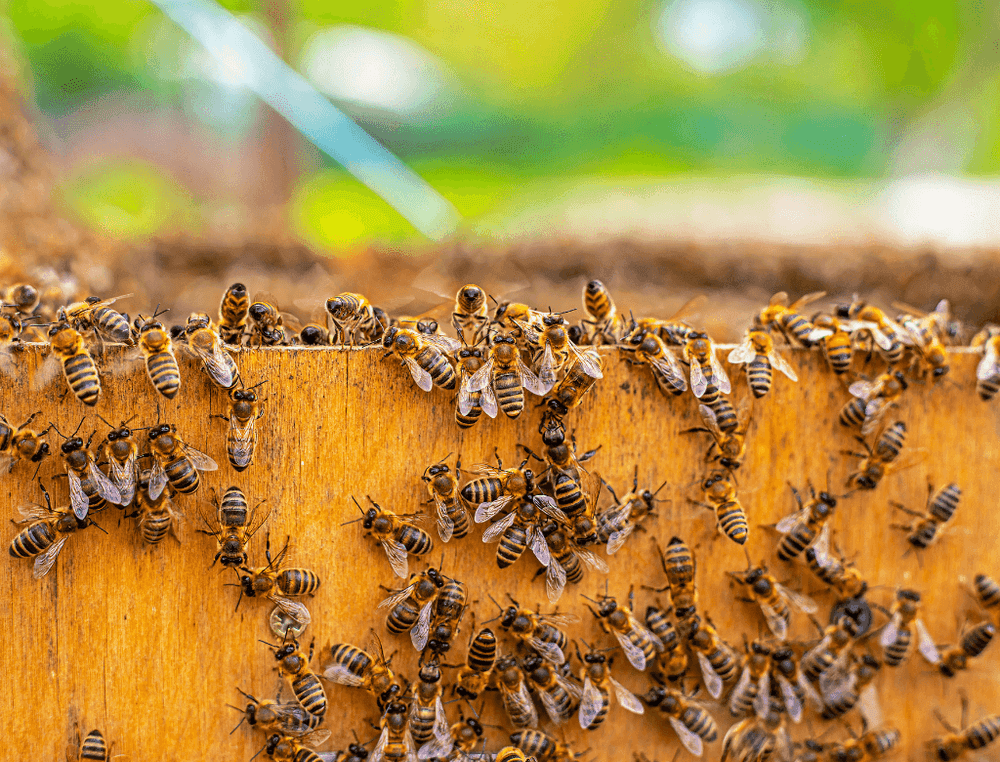
For millennia, bees have offered us much more than honey. They produce an impressive array of substances with therapeutic properties: propolis, royal jelly, pollen, wax, and even venom. Apitherapy, from the Latin word apis (bee), refers to all treatments using these hive products. In an era where more and more people are seeking natural, preventative, and life-respecting solutions, apitherapy is emerging as a valuable path to integrative health.
In this article, we invite you to discover what apitherapy encompasses, its main products, their scientifically recognized benefits, and how to integrate them safely into a natural wellness approach.
What is apitherapy?
Apitherapy has its origins in ancient Egypt, traditional Chinese medicine, and Indian Ayurveda. Hippocrates, the father of Western medicine, already prescribed honey for its healing and anti-inflammatory properties.
Today, it is the subject of increasing scientific research and is integrated into holistic health approaches. Apitherapy can play a role in prevention, immune support, wound healing, respiratory ailments, joint disorders, and even the revitalization of the body.
The 6 main products of apitherapy and their benefits
Honey: a medicinal nectar for millennia
Honey is undoubtedly the best-known beekeeping product. Obtained by transforming flower nectar, it consists mainly of simple carbohydrates (glucose and fructose), but also contains enzymes, vitamins, minerals, and antioxidants.
Its therapeutic properties:
Antibacterial : Honey is naturally antiseptic. Manuka honey (New Zealand) is particularly renowned for its high antibacterial power thanks to the presence of methylglyoxal (MGO).
Healing : Used on wounds and burns, it promotes tissue regeneration.
Soothing : In case of cough or throat irritation, honey soothes and moisturizes.
Natural energy booster : Thanks to its simple sugars, it provides quick energy, useful for athletes or in case of fatigue.
Note : Honey should never be given to children under one year old, due to the risk of infant botulism.
Propolis: the natural antibiotic of bees
Propolis is a plant resin that bees collect from the buds of certain trees (poplars, birches, etc.) and mix with their saliva to create a protective substance. In the hive, it serves to sterilize the environment.
Its therapeutic properties:
Antibacterial and antiviral : It helps to prevent and relieve ENT infections (colds, sinusitis, tonsillitis, etc.).
Antifungal : Useful against fungal infections, especially oral or cutaneous ones.
Immune-boosting : It supports the immune system, especially during seasonal changes.
Anti-inflammatory : When used topically, it soothes inflammation of the skin or mouth.
Available forms : alcoholic extract, spray, lozenges, capsules or ointments.
Royal jelly: the queen's superfood
Produced by young nurse bees, royal jelly is the queen's exclusive food throughout her life, which explains her exceptional longevity (up to 5 years compared to a few weeks for worker bees).
Its benefits:
General stimulant : It tones the body, improves resistance to stress and fatigue.
Immune support : It boosts natural defenses.
Hormonal balance : It can relieve certain disorders related to menopause or menstruation.
Mild nootropic effect : Improved memory and concentration.
Directions for use : to be consumed as a course of treatment for 3 to 6 weeks, ideally at the change of season or during periods of convalescence.
Pollen: a nutritional powerhouse
Pollen is collected by bees from flowers, mixed with nectar, and then transported to the hive in the form of pellets. It is an exceptional source of plant-based protein, vitamins, enzymes, and antioxidants.
Its health benefits:
Fortifying : It restores vitality, especially in cases of anemia or chronic fatigue.
Intestinal balance : Thanks to its fibers and enzymes, it supports the intestinal flora.
Seasonal allergies : Taken in micro-doses several weeks before spring, it can act as a natural desensitization.
Tip : to be consumed fresh (frozen at harvest) to preserve its properties, or dried.
Beeswax: more cosmetic, but not only.
Beeswax is used by bees to build honeycombs. It has numerous applications in cosmetics, particularly for its film-forming and protective properties.
Uses:
Skin care : Wax creams and balms soothe dry or irritated skin.
Therapeutic uses : It is found in some traditional plasters or poultices to relieve joint or muscle pain.
Bee venom (apitoxin)
Apitherapy, a specialized branch of apitherapy, uses bee venom in the treatment of certain chronic inflammatory conditions (arthritis, multiple sclerosis, etc.). It contains powerful peptides such as melittin, which have anti-inflammatory properties.
Warning : This practice is strictly regulated by trained professionals and should never be carried out without medical supervision.
How to integrate apitherapy into your natural health routine?
Apitherapy can easily be integrated into a healthy lifestyle:
As a preventative measure : A course of royal jelly or pollen at each change of season.
To support immunity : Propolis spray at the first signs of a cold.
For digestive support or revitalization : Fresh pollen at breakfast, mixed with yogurt or a smoothie.
For the skin : Wax and honey-based balm for dry or damaged areas.
Precautions and contraindications
Bee products can cause allergic reactions, especially in people sensitive to bee stings or certain pollens.
People with asthma, allergies or weakened immune systems should consult a healthcare professional before use.
Bee venom is a highly active product and should only be handled in a secure medical setting.
Honey should be avoided in infants under one year old due to the risk of botulism.
Apitherapy, by harnessing the treasures of the beehive, offers a natural, holistic, and body-friendly approach. Honey, propolis, royal jelly, and pollen are not merely tasty or cosmetic products; they are true allies for strengthening our constitution, preventing imbalances, and supporting the body's natural healing processes.
At Natflow , we believe in integrative health that values natural resources, prevention, and listening to your body. Apitherapy fits perfectly within this vision. If you'd like to explore further, follow our tips on the app to incorporate bee products into your wellness routine.
This article is not a substitute for medical advice. If in doubt, consult a healthcare professional trained in natural medicine.