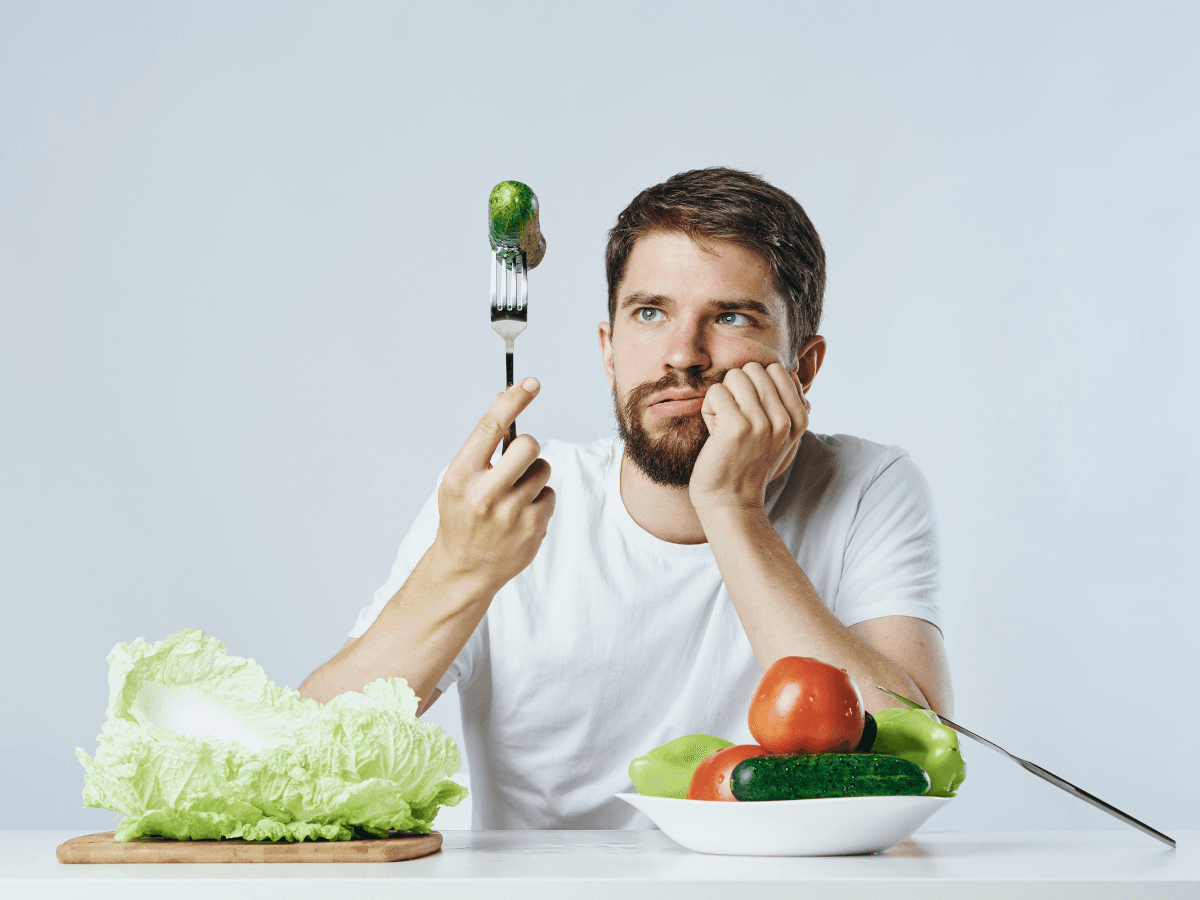
Nutrition is one of the fundamental pillars of our health and well-being. Beyond maintaining a healthy weight, it is extremely important to eat healthily to be and stay healthy: remember Hippocrates' quote, "Let food be thy medicine," which we discussed in a previous article!
However, a multitude of diets exist today, some with more harmful than beneficial effects. This is particularly true of many restrictive diets that impose deprivation of certain food groups. They can therefore lead to nutritional deficiencies, eating disorders, loss of muscle mass, and decreased energy. Restrictive diets can also lead to feelings of guilt about food and a loss of pleasure in eating.
It is therefore preferable to adopt a balanced and varied diet in the long term in order to provide our body with all the necessary nutrients and limit the risks of eating disorders.
To achieve this, several non-restrictive diets exist, allowing us to eat everything in reasonable quantities, while respecting the principles of a healthy diet.
In this article, we will describe several ways to eat healthily and without drastic restrictions: the Shelton (or dissociated) diet, the Seignalet diet and Chrononutrition, before reviewing Marchesseau's recommendations.
The Shelton (or dissociated) diet
The Shelton dissociated diet, or dissociated diet, is a dietary approach that advocates not combining certain food groups during meals.
Foods are then consumed in precise combinations in order to respect the biological capacities for assimilating nutrients while respecting digestion times.
The idea is that certain foods form a poor combination when eaten together and interfere with digestion, leading to incomplete digestion, fermentation, increased gas production, and other digestive problems. Conversely, by consuming only similar food groups at the same time, less energy is expended on digestion and nutrient absorption, leaving more energy available for other physical and mental activities.
Here are some key principles of the Shelton diet:
1 - Separate proteins and starches: According to this diet, it is recommended not to consume proteins (such as meat, fish, eggs) and starches in the same meal (such as bread, pasta, potatoes).
2 - The Shelton dissociated diet also suggests avoiding meals that combine several types of protein or several types of carbohydrates. For example, it is recommended not to eat meat and fish in the same meal, or not to mix different starches such as rice and pasta.
3 - Eat fruit separately: According to this approach, fruit should be eaten alone, between meals (or even at the beginning of meals), and should not be mixed with other foods to avoid fermentation in the stomach (they are digested much faster than other foods).
4 - Respect the intervals between meals: The Shelton dissociated diet recommends leaving sufficient time between meals. It is advised not to eat another meal until the previous one is completely digested.
The primary goal of this diet is to improve digestion and overall well-being.
The Seignalet diet (also called the hypotoxic or ancestral diet)
This diet was developed to alleviate the symptoms of certain autoimmune and inflammatory diseases (rheumatoid arthritis, Crohn's disease, etc.) by returning to an ancestral, original, and low-toxin diet. According to Dr. Jean Seignalet, the numerous molecular transformations undergone by the foods we consume (GMOs, etc.) have rendered some of them toxic to the body.
Here are the fundamental principles of this system:
1 - Avoid inflammatory foods: This includes so-called “modern” cereals, especially those containing gluten (wheat, rye, barley, but also corn…), dairy products, which are highly sensitizing for adults, industrially processed foods (including refined sugars) containing additives, preservatives and artificial ingredients, and oils rich in omega-6 (such as sunflower oil).
2 - Focus on fresh and natural foods, preferably organic: The Seignalet diet emphasizes unprocessed foods that are rich in nutrients and easy to digest. It recommends consuming vegetables, fruits, lean meats, fish, eggs, nuts, seeds, olive and rapeseed oils, as well as minimally processed grains such as rice, quinoa, and buckwheat.
3 - Favor gentle cooking: Dr. Seignalet recommends low-temperature cooking of food, such as steaming, in order to preserve nutrients as much as possible and avoid the formation of potentially toxic substances.
4 - Individualizing the diet: The Seignalet diet emphasizes individualizing the diet according to each person's intolerances and sensitivities. It encourages observing individual reactions to food and personalizing the diet accordingly.
Chrononutrition
The principle of Chrononutrition is based on the idea that our body follows natural biological rhythms, called circadian rhythms, which regulate many physiological processes, and that our diet should be adapted to these rhythms. Nutritional intake should be organized according to the body's needs throughout the day. No food is forbidden, but it is important to consume the appropriate food groups at the right time.
Here are the different principles of Chrononutrition:
1 - Adapt your diet to the different times of the day: it is advisable to consume foods rich in fats and proteins in the morning to provide energy, proteins and starches at lunch to promote satiety, a sweet snack in the mid-afternoon (with “good sugars”: dried fruits, dark chocolate…) and light and easy-to-digest foods in the evening (lean proteins, vegetables…).
2 - Eat slowly and chew thoroughly: Chrononutrition emphasizes mindful eating, taking the time to eat slowly and chew food well. This promotes better digestion and nutrient absorption.
3 - Avoid snacking: Chrononutrition recommends limiting snacking between meals, as this can disrupt biological rhythms and promote weight gain. It is best to maintain regular mealtimes.
4 - Adapt your diet to your physical activity: Chrononutrition recommends adapting your diet to your level of physical activity. For example, it is advisable to consume carbohydrate-rich foods before intense activity to provide energy, and protein-rich foods after exercise to promote muscle recovery.
5 - Drink enough water: Chrononutrition emphasizes the importance of hydration. It is recommended to drink water regularly throughout the day to maintain good hydration.
Marchesseau's diet
Pierre-Valentin Marchesseau is considered one of the pioneers of naturopathy in France. He was known for promoting a holistic approach to health, emphasizing natural healing principles and respecting the body's balance.
The food hygiene taught by Marchesseau must be individualized: we are all different.
He also recommends not straying from the physiological diet of each species: our digestive system is adapted to a specific diet, and if this diet is denatured, we perish.
According to Marchesseau, humans have a digestive system similar to that of great apes, and like them, we are designed to eat primarily plant-based foods, preferably raw and organic (80% of our diet). Approximately 15% of our diet should be reserved for animal products (shellfish, eggs, raw dairy products, etc.), and the remaining 5% for carbohydrates and legumes.
All the dietary recommendations reviewed in this article, which are quite complementary, allow you to eat in a healthy and balanced way, enabling the body to have all the necessary nutrients for its proper functioning.
It should be noted, however, that before adopting a specific diet, even a non-restrictive one, it is advisable to consult a healthcare professional or nutritionist to obtain advice tailored to your individual needs.