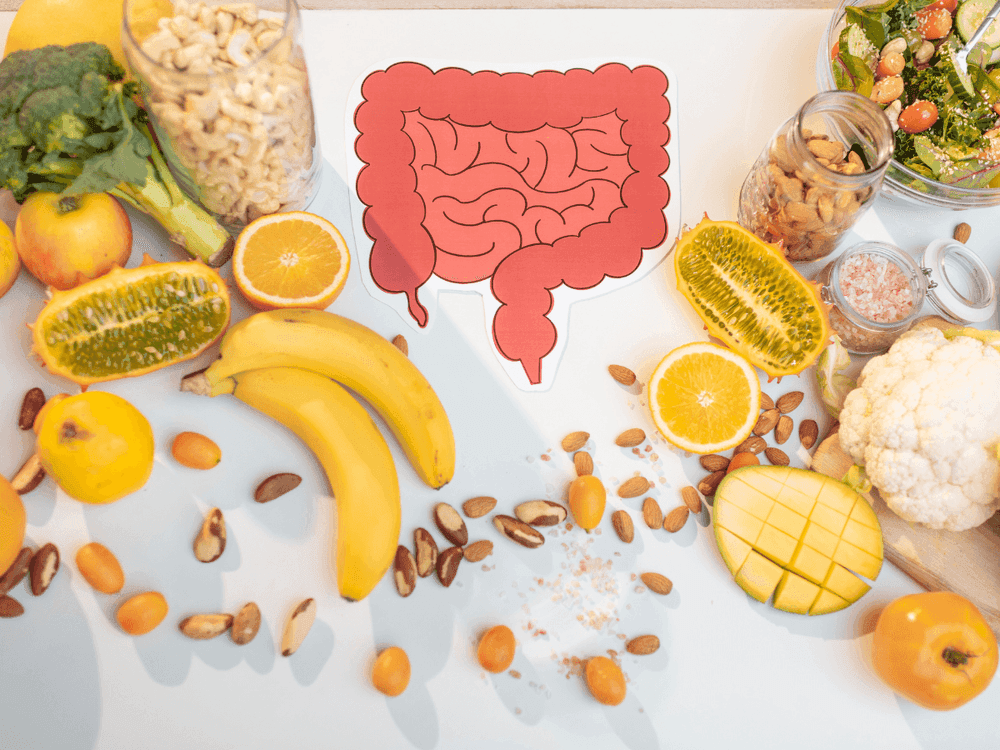
With a total surface area of nearly 200 m², our intestine represents a vast exchange zone, with the mucosa forming the first line of defense. This mucosa plays a vital role in the absorption of nutrients from our food, in digestion, and also in protecting our body. Because its permeability varies, the intestinal mucosa must be selective.
In certain conditions such as irritable bowel syndrome or under the effect of significant chronic stress, the intestinal lining can experience inflammatory episodes, become excessively permeable, and cause intestinal pain and discomfort.
In this article, we present the best herbal remedies to preserve the lining of your intestine and support your digestive comfort.
The importance of a healthy intestinal lining
The intestinal lining that covers our intestines constitutes a physical barrier
important on several levels.
Thanks to its permeability, it acts as an exchange barrier, allowing nutrients from our digestion to pass into the bloodstream. It is through this barrier that we can absorb nutrients and benefit from the nutritional value of our food.
On the other hand, the intestinal mucosa also constitutes a physical barrier against potentially undesirable substances. First, the intestinal cells that compose it are linked together by tight junctions made of proteins. Second, these cells, forming a surface epithelium, are lined with a protective mucus, itself colonized by the gut microbiota (or intestinal flora). Together, the tight junctions, the mucus, and the gut microbiota prevent the adhesion and passage of microorganisms through the intestinal wall.
A healthy intestinal lining therefore has selective permeability, allowing only good nutrients to pass through and blocking toxins, digestive waste, or pathogens, to protect our body and limit the risk of infection.
Intestinal hyperpermeability, a source of digestive discomfort
In some cases, particularly in people with irritable bowel syndrome, the intestinal barrier can be weakened and become hyperpermeable. This is known as leaky gut syndrome.
When the intestinal lining is too permeable, it can allow toxins, metabolic waste products, bacteria, and undigested compounds to pass into the bloodstream. This phenomenon is generally accompanied by inflammation of the intestinal wall, leading to significant digestive problems and discomfort.
The best plants for intestinal lining care
Phytotherapy refers to the use of plants for medicinal purposes. By harnessing the benefits of nature, phytotherapy offers a multitude of remedies for the care of our bodies. For millennia, numerous traditional uses have highlighted the beneficial effects of plants on the digestive system, and more specifically on intestinal comfort and the care of the intestinal lining.
Aloe Vera (Aloe Barbadens): In addition to its benefits for intestinal transit, scientific studies show the anti-inflammatory properties of aloe vera, particularly for irritable bowels. Consume in the form of a drinkable gel.
Star anise (Illicium verum): Star anise is a spice recognized in traditional Chinese medicine for its comprehensive benefits to the digestive system: antioxidant, antibacterial, antispasmodic, and anti-inflammatory properties. It can be consumed as an essential oil or in infusions.
Turmeric (Curcuma longa): Turmeric is a well-known and documented spice with soothing benefits. Thanks to its curcumin content, a compound with anti-inflammatory properties, it is indicated for the care of the intestinal lining. Clinical studies show a reduction in inflammation in patients suffering from irritable bowel syndrome. It should be consumed in the form of extracts, for example, in dietary supplements. An indication of the curcumin dosage is a guarantee of the extract's quality.
Ginger (Zingiber officinalis): Widely used in Ayurvedic medicine, ginger owes its soothing benefits to its valuable anti-inflammatory compounds, sesquiterpenes, which are found in particularly high concentrations in its essential oil. It can be consumed as an essential oil, in decoctions, tinctures, or fresh or candied.
Marshmallow (Althaea officinalis): In addition to its well-known use in soothing dry coughs and throat irritations, marshmallow root is also indicated for calming irritable bowels thanks to the soothing properties of its mucilage. It can be consumed as infusions of the dried root, cold macerations, decoctions, or as chewable sticks.
Lemon balm (Melissa officinalis): Listed in the French Pharmacopoeia, lemon balm is recognized for its beneficial effects in supporting normal bowel function and digestive comfort. This medicinal plant helps reduce intestinal irritability thanks to the anti-inflammatory rosmarinic acid it contains. It can be consumed as an infusion, tincture, or essential oil.
Licorice (Glycyrrhiza glabra): Licorice contains beneficial compounds such as glycyrrhizin, known for its anti-inflammatory properties. The benefits of licorice root for digestive comfort are widely recognized in Traditional Chinese Medicine and supported by scientific literature. It can be consumed as infusions, decoctions, extracts, or chewable sticks.
Marigold (Calendula officinalis): Marigold, also commonly known as calendula, is renowned for its beneficial effects on skin and mucous membrane inflammation. It acts particularly on the intestinal lining, thus helping to improve digestive comfort. It can be consumed as an infusion of dried flowers, a liquid extract, or a tincture.
In addition to the benefits of these plants, glutamine supplementation is also beneficial. Glutamine is an amino acid that our body can synthesize from certain foods. Scientific literature demonstrates the benefits of glutamine intake in maintaining the integrity of the intestinal lining.
In addition to naturally promoting chronic inflammation of the intestinal lining, significant stress also reduces glutamine levels, further weakening the intestinal mucosa. For effective management of leaky gut syndrome, it is essential to also address stress. To help you find suitable stress management solutions, see our dedicated article : Stress: Mechanisms, Effects, and Natural Remedies .